How much does HVAC maintenance cost in El Cajon?
The company you are matched with quotes the visit in writing. Ask whether they offer a single appointment or a plan, what they inspect, and which fees are extra. Climate Pros SD does not sell a branded maintenance plan or inspection protocol. Filter replacement is priced separately by type, and that is separate from the tune-up cost. Ask whether coil cleaning is included; units with significant compacted buildup from deferred maintenance may have an additional heavy-cleaning charge quoted after inspection.
How often should I service my HVAC in El Cajon's heat?
Twice a year for most El Cajon homes. The cooling season here runs nine to ten months with peaks hitting 86 to 89 degrees. A pre-summer visit in March or April and a fall visit in October is the right schedule. Rental properties or units with uncertain maintenance history should prioritize the spring visit at minimum: that is when deferred problems most often surface.
What should I ask the matched company to inspect?
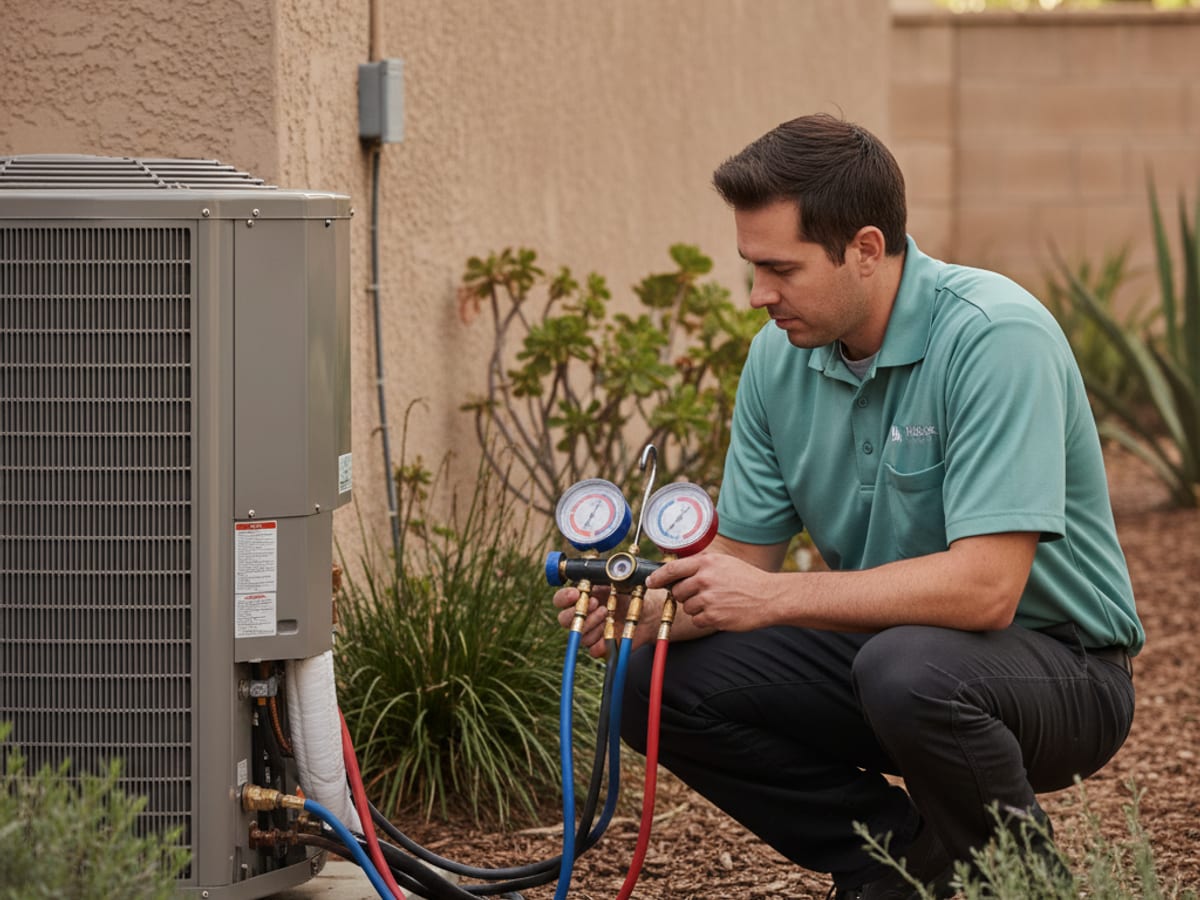
Refrigerant level check with gauges, capacitor microfarad test, compressor and motor amp draw, condenser coil cleaning, evaporator coil inspection, static pressure measurement, condensate drain flush and float switch test, contactor and electrical connection check, thermostat calibration and cycle timing, temperature split measurement, filter condition check, and blower wheel inspection. Every visit ends with a written summary of everything found.
I have a rental property in El Cajon. How do I know what shape the HVAC is in?
You probably don't, unless a technician has been out recently. Tenants rarely report gradual HVAC decline, and maintenance history is often incomplete when a property changes hands or tenants. A tune-up on a deferred-maintenance rental unit gives you an honest condition report. Findings range from units that are fine to units that have been running with low refrigerant for two summers. Either way, you know what you're dealing with before a tenant calls about no cooling in July.
Should I get my HVAC serviced before summer in El Cajon?
Yes, and earlier than you think. March or April is the right window. By May the schedule fills up. By June it is full. A tune-up that catches a failing capacitor or a low refrigerant charge in April is a scheduled repair. The same problem found on the first peak-summer day in July is an emergency repair with a wait. El Cajon's summer heat comes fast and stays long.
Why does my El Cajon AC filter get dirty so fast?
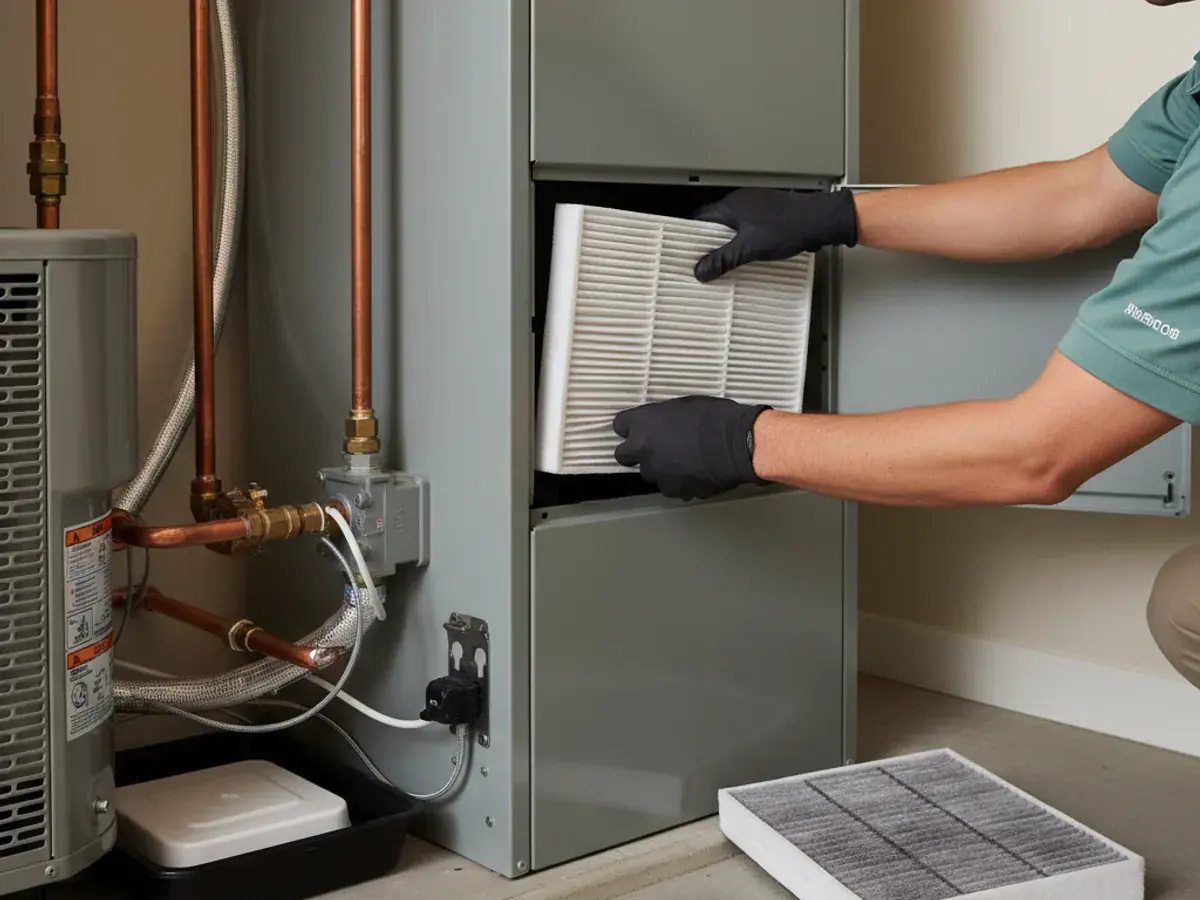
El Cajon has a high indoor dust load driven by dry inland conditions, valley wind patterns, and proximity to chaparral hills. Dust that coastal humidity keeps airborne settles directly into air filters and condenser coils here. In coastal cities, a filter change every two to three months is reasonable. In El Cajon, monthly checks during summer and any windy stretch make more sense. A loaded filter is the fastest path to an evaporator freeze and a repair call.
What is a run capacitor and why does it fail?
A run capacitor stores electrical charge and helps the compressor and fan motors start and maintain speed. Heat degrades them over time: the more heat cycles a capacitor endures, the faster it loses its rated microfarads. El Cajon's long, hot inland summers accelerate this degradation faster than coastal cities. When a capacitor drops low enough, the motor it supports can't start under load: you'll hear a hum from the outdoor unit and the fan won't spin. That catches a weak one early. A failing one replaced in May is a scheduled cost. Missed until July, it comes with an emergency call premium.
My El Cajon HVAC is. Is maintenance still worth it?
That depends on what the inspection shows. A system is 25 to 30 years old and by the calendar is past its expected lifespan. But a well-maintained unit with sound mechanicals, tight electrical connections, a compressor within amp spec, and a clean refrigerant charge often has more life than the age suggests. The inspection gives you an honest reading. If it's running well, that gets reported. If there are signs of compressor stress, heat damage on electrical connections, or refrigerant that keeps needing attention, that gets reported too.
Do you service units in older downtown El Cajon buildings?
Yes. Pros in our network service older downtown buildings, Bostonia rentals, Fletcher Hills homes, and the newer construction on the Rancho San Diego edge. Units in older downtown and Bostonia buildings often need more attention on the coil cleaning and electrical connections, and that time gets budgeted for. Pricing applies regardless of the age or condition of the unit.
How does the extreme El Cajon heat affect compressor lifespan?
Compressors in El Cajon log significantly more annual run hours than the same equipment in coastal cities. A compressor that runs 2,000 hours per year reaches 20,000 hours in ten years: equivalent to 30 or more years of operation in a mild coastal climate. High run hours combined with poor coil condition and refrigerant imbalances are the three main accelerants of compressor failure. Annual maintenance addresses all three. Systems that get consistent tune-ups in this climate regularly hit 18 to 22 years. Systems that go without service rarely make it past 12.
What happens if I skip HVAC maintenance in El Cajon?
The condenser coil packs with inland dust and grit, which forces the compressor to work harder. Refrigerant levels drift low without anyone catching it until the system can't hold temperature on a hot afternoon. A capacitor that should have been caught at 60% drifts to failure on a peak-summer afternoon. Filters load and nobody changes them, causing an evaporator freeze. Any one of these is a service call. All of them together is a system that fails five years earlier than it should have.
Is maintenance different for my newer Fletcher Hills home than for older El Cajon stock?
Ask for the same written inspection list on both. Newer Fletcher Hills construction typically has better ductwork, more efficient equipment, and a cleaner service history, so the findings tend to be less severe. Older downtown and Bostonia units more often show deferred maintenance issues: packed coils, weak capacitors, worn contactors. The inspection finds what's there, regardless of the home's age.