When a furnace is due, the quote often lists a standard AFUE model and a condensing high-efficiency model. In a cold climate the extra exchanger almost always pays. In San Diego County heating hours are short enough that the premium is a home-specific math problem, not an automatic yes.
Climate Pros SD matches you with licensed HVAC companies. We do not install furnaces or publish equipment prices.
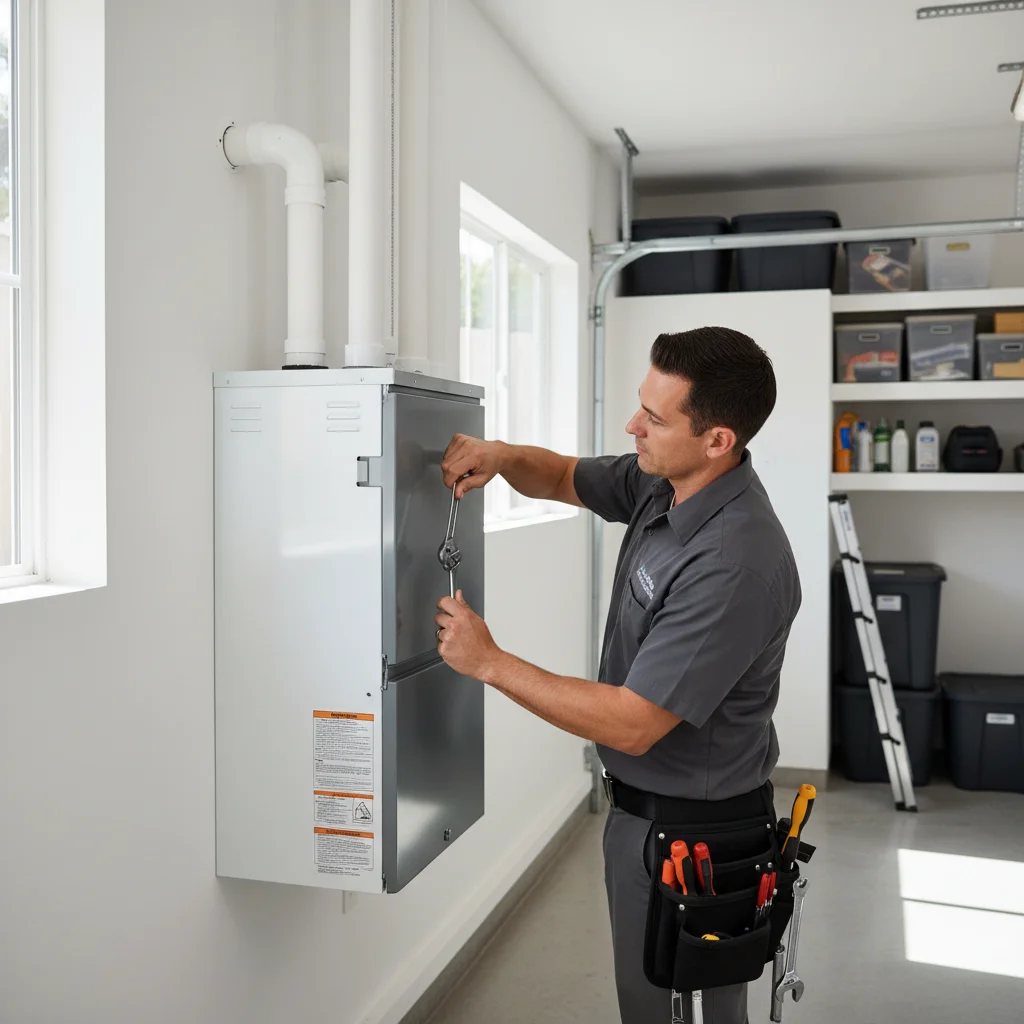
What do 80% AFUE and 96% AFUE actually mean?
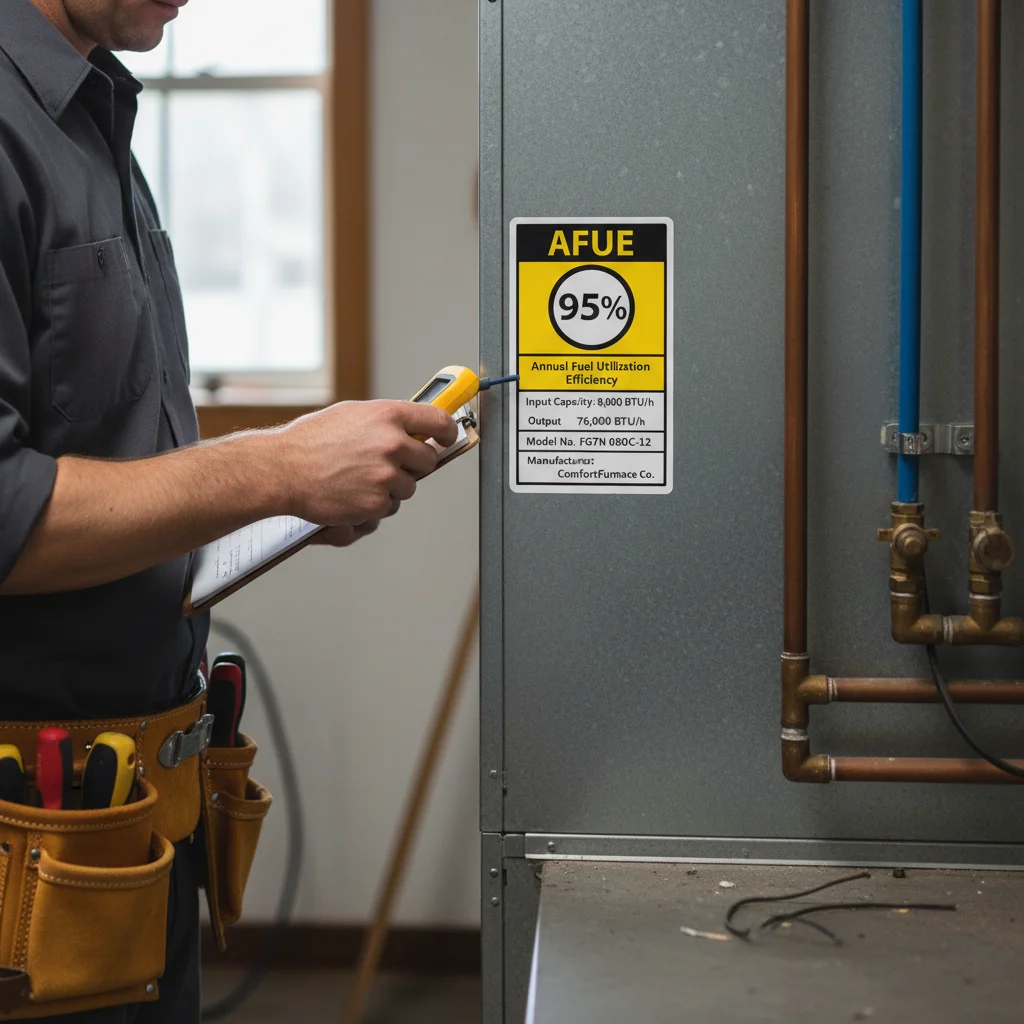
AFUE is Annual Fuel Utilization Efficiency: the share of the fuel’s heat that becomes heat in the house over a test year, as rated. The rest leaves as exhaust.
An 80% furnace turns most of the gas into delivered heat and vents the rest. A 96% condensing furnace uses a second heat exchanger to pull more heat out of the exhaust. The leftover is cooler and wet, which is why those units need PVC venting and a condensate drain.
That gap is real on every therm you burn. The bill impact depends on how many therms you actually burn. San Diego winters are not Chicago winters.
How few heating hours do San Diego homes really run?
NWS San Diego describes ocean moderation near the coast and warmer summer days in nearby valleys. NOAA 1991-2020 January normal lows in this ledger include 50.3F at San Diego International Airport and 44.8F at Escondido #2. Coastal houses in La Jolla or Encinitas often run heat in short morning bursts. Inland El Cajon and Escondido mornings are colder, so they run longer, still not a Midwestern heating season.
This page does not publish annual heating hours or a therms-per-year figure for your house. Pull winter gas use from your own SDG&E bills. If heating is a small line compared with cooling, a 16-point AFUE bump cannot save a large dollar amount because the base is small.
Cooling is the opposite problem: long runtime, efficiency that shows up on the electric side. That is why a heat pump quote often beats a furnace-efficiency upgrade for households already paying for AC.
Can you run payback math without a blog gas rate?
Yes. Use your therms, not a made-up rate.
- Estimate annual heating therms from winter bills (or ask the contractor to help read them).
- Compare input: delivered heat divided by 0.80 versus divided by 0.96. That is the extra fuel the 80% unit needs for the same delivered heat.
- Price that extra fuel at your current gas rate from the bill, not from this site.
- Subtract that annual fuel difference from the installed premium the contractor quotes for 96% versus 80%, including extra PVC and condensate work.
If simple payback is longer than you will own the house, the condensing furnace is a comfort or venting choice, not a finance win. If you move the premium into a heat pump that also replaces the AC, the cooling season can do more work than winter gas ever will.
When does a heat pump beat both furnaces?
When you already need new cooling, or the furnace and AC are both old. A heat pump heats and cools with one outdoor refrigerant circuit. You spend the efficiency budget on the season you actually run.
Do not assume 2026 incentives close the gap. Section 25C does not apply to property placed in service after December 31, 2025 (IRS 25C). TECH single-family heat pump HVAC reservations stopped November 14, 2025. HEEHRA single-family was fully reserved February 24, 2026. Recheck TECH and HEEHRA. Comparison: heat pump vs furnace.
A gas furnace can still win if there is no useful electrical capacity, no ducts you want to keep, or a short ownership horizon. Those are quote facts.
How do venting and condensate change the job?
An 80% furnace typically uses a metal flue. A 96% condensing furnace needs two PVC paths (combustion air in, exhaust out) and a condensate drain. In a central closet or attic, that routing can dominate the labor difference. The old flue has to be abandoned correctly.
Ask for three scopes when you are already in furnace repair territory: 80% replacement, 96% condensing, and heat pump. Same house, same permit path. City of San Diego requires a Mechanical Permit for HVAC replacement (mechanical permits). The contractor pulls it.
Related: AC repair.
FAQs
Is a 96% furnace worth it in San Diego?
Only if your winter therms are high enough, or the venting is easy, that the premium is acceptable. Many coastal homes will not recoup a large premium on gas savings alone. Run your bills.
Is 80% still legal to install?
Efficiency rules change. Ask the contractor which AFUE they can legally permit on your job, and check current Title 24 / Energy Code Compliance requirements with them. This page does not invent a legal minimum.
Does a high-efficiency furnace qualify for a 2026 federal credit?
Section 25C does not apply to 2026 placed-in-service property. Do not plan on it.
When to call us
Call (442) 777-6440 for a match to a licensed company that will quote 80%, 96%, and heat pump against your actual layout. You hear the price before any work starts.