Condo HVAC in San Diego almost always runs into the same wall: the HOA. Before you price equipment, you need to know what your CC&Rs allow, where an outdoor unit can sit, and whether your building’s architectural committee approves wall penetrations. In 2026, most San Diego condo owners land on one of four options: replace a through-wall PTAC, swap a vertical packaged unit, install a ductless mini-split, or stick with portable cooling if the building bans everything else.
Climate Pros SD matches you with licensed HVAC companies. We do not set condo job prices, submit HOA packets, or promise a balcony will be approved.
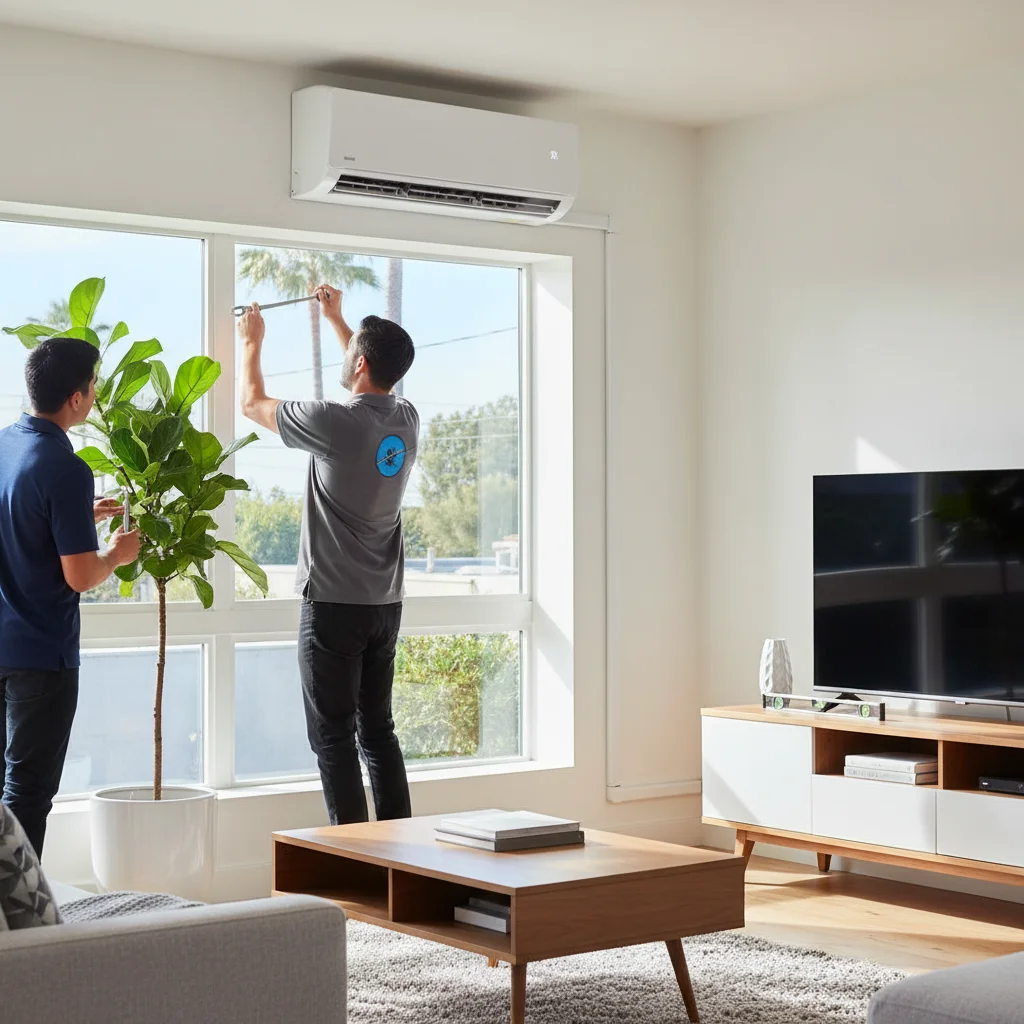
HOA approval comes before equipment selection
Every San Diego condo HOA we’ve seen has written rules about HVAC modifications. The big ones to read before you spend a dollar: where outdoor condensers can live, whether penetrations through exterior walls are allowed, line-set routing rules, electrical panel upgrades, and acoustic limits. Many downtown high-rises like Bayside, Electra, and Pinnacle prohibit any outdoor condenser on the balcony because the structure isn’t rated for the load and the building envelope is sealed. Mid-rise UTC, La Jolla Village, and Mission Valley buildings tend to be more flexible because balconies are larger and exterior walls are accessible.
Submit a written request to your architectural committee with the exact equipment model, condenser dimensions, sound rating in decibels, line-set path, and a contractor’s installation drawing. Approvals typically take 30 to 60 days. Some HOAs require the unit be screened from common-area sightlines or color-matched to the building. A few require a licensed contractor with HOA-approved insurance limits, often including $2 million general liability as a named HOA requirement. Don’t skip this. Installing without approval can force removal at your expense and create a permanent enforcement record on your unit.
The four real options for a San Diego condo
Through-wall PTAC. These are the old hotel-style units common in 1970s and 1980s condos in Hillcrest, Mission Valley, and Pacific Beach. They go in a sleeve that’s already framed into the exterior wall. Replacement is the easiest install in the county because there’s no new penetration to approve. They’re noisy, less efficient than modern alternatives, and only cool one room. Ask the matched contractor for a like-for-like PTAC quote that includes sleeve fit and electrical.
Vertical packaged unit. Some older San Diego high-rises use vertical packaged systems hidden in a closet, ducted to the unit’s rooms. When these fail, replacement is straightforward because the chase and ducts already exist. If the existing system is electric resistance heat, upgrading to a heat pump version can cut winter electric use. The bid should name the closet constraints, not a generic central-air price.
Ductless mini-split. This is the modern answer for most condos. One outdoor condenser feeds one to four indoor heads. SEER2 ratings hit 22 to 30, so SDG&E bills stay more reasonable even on tiered rates. The hard parts are condenser placement and line-set routing, both of which need HOA sign-off. Zone count, line-set length, and balcony screening change the bid more than the brand name.
Portable or window unit. If your HOA bans everything else, a portable AC vented through a sliding-door kit is the fallback. Cooling is weak, drainage is a chore, and SDG&E summer bills will spike because the efficiency is poor. Treat this as a stopgap, not a solution. Retail equipment prices are not a Climate Pros SD quote.
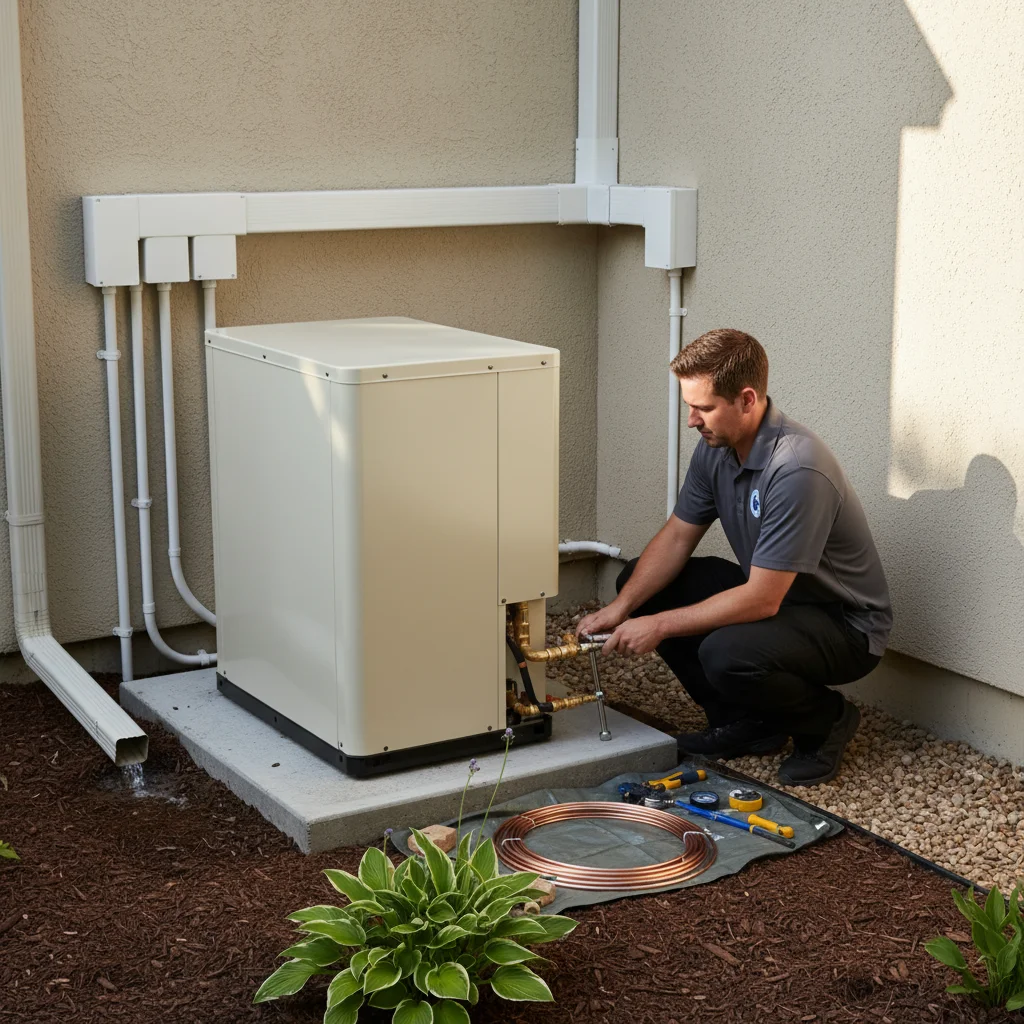
Downtown high-rise vs UTC and La Jolla mid-rise
The high-rise condos in Cortez Hill, East Village, and Marina District were built with sealed envelopes and centralized vertical packaged systems. Owners rarely get to add outdoor equipment because the balcony structure and the building’s HVAC infrastructure weren’t designed for it. If your vertical packaged unit fails, your only real path is replacement of that exact equipment type. Some buildings have a preferred vendor list because access to the rooftop chiller plant or shared chases requires coordination with building engineering.
Mid-rise condos in UTC, La Jolla Village, Mission Valley, and Pacific Beach were typically built as individual units with their own electrical service and exterior wall access. Balconies are usually rated for mechanical equipment and HOAs are more open to mini-split condensers if they’re properly screened. The 2008 to 2018 build wave in these areas often used builder-grade central air with rooftop condensers; when those fail, owners have flexibility to upgrade to higher-efficiency heat pump systems.
What actually drives condo HVAC cost
Climate Pros SD does not publish a PTAC, vertical-packaged, or mini-split price table. For a typical San Diego condo project, the quote should break out:
- Equipment type (PTAC, vertical packaged, or mini-split zones)
- HOA-required acoustic enclosure or screening
- Electrical panel capacity if the unit needs a new circuit
- Long line-set runs when the condenser sits far from the indoor head
- Architectural committee submission fees, if your building charges them
- Permit and inspection
Those extras are why a condo bid is not the same as a detached-house bid for the same tonnage.
Decision framework
If your building bans exterior modifications and you have a working PTAC sleeve: replace the PTAC. It’s the cheapest, fastest path.
If you have an existing vertical packaged unit and ducts: replace in kind, upgrade to a heat pump version if the old one was electric resistance heat.
If your HOA approves balcony condensers and you have a one or two bedroom: install a mini-split. Higher upfront cost, lower lifetime operating cost, better comfort and quiet.
If your HOA bans everything: portable unit as a stopgap while you work the HOA on a permanent solution. Build a coalition with neighbors who want the same thing; HOAs change rules when enough owners ask.
FAQ
Can my HOA stop me from installing AC in a San Diego condo? Yes. CC&Rs typically give the HOA authority over exterior modifications, including any equipment visible from common areas and any wall penetrations. They generally cannot prohibit you from cooling your unit entirely, but they can dictate the type and location of equipment.
What’s the quietest condo HVAC option? Modern inverter-driven mini-splits run quietly at the indoor head and noticeably quieter outdoors than a single-stage condenser. Vertical packaged units are louder. PTACs are loudest because the compressor sits inside the room.
Do I need a permit for condo HVAC in San Diego? Yes for anything beyond a like-for-like PTAC replacement. The City of San Diego requires mechanical permits for new system installs, line-set runs, and electrical work. The contractor handles this, but it’s on the permitting record for your unit.
Will SDG&E rebates apply to my condo install? Heat pump and high-efficiency mini-split installs can be eligible for SDG&E rebates if the equipment meets program requirements. Amounts and income tiers change. The contractor submits the application. Confirm current numbers on sdge.com, not from a blog table.
How long does HOA approval take? 30 to 60 days is typical. Submit complete documentation the first time to avoid resubmission delays.
Can I install a mini-split myself to skip HOA fees? Not legally. California requires a C-20 HVAC contractor for refrigerant work, the work needs a permit, and unpermitted modifications create disclosure obligations when you sell. Skipping the HOA also creates a permanent enforcement issue.
Call us at (442) 777-6440 and we’ll match you with a local pro for condo HVAC options in San Diego, including help navigating HOA submission paperwork. Related reading: ductless mini-split cost in San Diego and AC replacement vs repair decisions. For service in your area, see our AC installation page.
Related services: AC repair and HVAC maintenance.