Considering a new furnace for your San Diego home often brings up questions beyond just the price. You’re probably wondering what the actual installation day involves, what kind of disruption to expect, and if all the necessary permits and tests are covered. Understanding the step-by-step process ensures you get a safe, efficient, and code-compliant heating system that will keep your home warm for years to come.
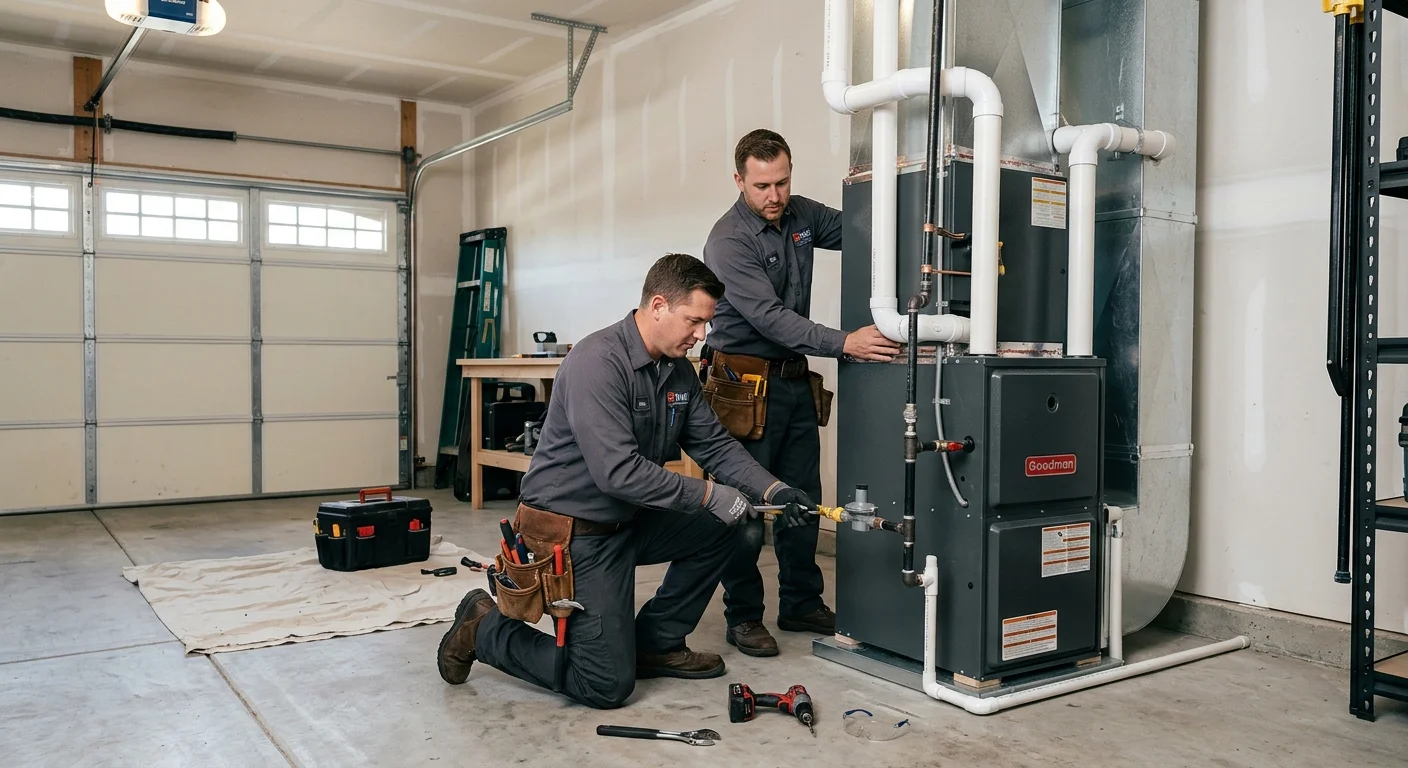
What a quality install day looks like start to finish
A professional furnace installation starts long before the technicians arrive at your San Diego home. A thorough home assessment, heating load calculation, and equipment selection typically happen first. On install day, the crew shows up on time, often with a courtesy call when they’re on the way.
The first step is preparing the work area. Drop cloths and shoe covers protect your floors and belongings. Existing gas lines are shut off for safety. Then the old furnace is carefully disconnected and removed. This often involves taking it apart to navigate tight spaces, especially in attic or crawl space installations common in many San Diego homes. The old unit is properly disposed of, often recycled.
With the old unit out, the space is prepared for the new furnace. This might involve minor adjustments to the platform, ductwork, or utility connections to ensure a perfect fit. Then the new furnace is meticulously positioned, leveled, and secured. All necessary components are connected: the gas line, electrical wiring, thermostat wires, and the venting system. Each connection is checked and re-checked for safety and integrity. After installation, a comprehensive series of tests confirms proper operation, airflow, and heat distribution throughout your home. The crew walks you through the new system, explaining features and basic maintenance, leaving your home cleaner than they found it.
Permits, Title 24, and HERS testing requirements
In San Diego County, a new furnace installation isn’t just about swapping out equipment; it’s about adhering to strict state and local regulations designed to ensure safety and energy efficiency. These requirements protect homeowners and ensure quality work.
First, permits are mandatory for almost all new furnace installations. Your HVAC contractor should pull the necessary permits from your local building department. This isn’t just red tape; it ensures that a qualified building inspector reviews the work for code compliance. An installer who tries to skip this step is cutting corners and could leave you with an unsafe system or problems when you try to sell your home. Always ask to see the permit before work begins.
Next, there’s Title 24, California’s stringent energy efficiency standards. These building codes dictate how new and replaced HVAC systems must perform to minimize energy consumption. For furnaces, Title 24 often requires specific insulation values, duct leakage testing, and minimum efficiency ratings. Compliance means your new furnace isn’t just powerful; it’s also energy-smart, helping you save on utility bills over the long run. The California Energy Commission provides detailed guidelines on these requirements.
Finally, HERS testing (Home Energy Rating System) is frequently required for new HVAC installations under Title 24. This isn’t performed by your installer, but by an independent third-party HERS rater. They conduct tests, such as duct leakage, fan airflow, and refrigerant charge verification, to confirm that your new furnace and its associated ductwork meet the mandated energy efficiency standards. This independent verification is a crucial safeguard, ensuring your system performs as designed and you’re getting the efficiency you paid for. Don’t let a contractor tell you HERS testing isn’t necessary; it’s a vital part of a compliant, high-quality furnace installation in San Diego.
Venting and gas-line work that’s often skipped
Beyond the furnace itself, two critical components that demand meticulous attention are the venting and gas lines. These are prime areas where less scrupulous installers might cut corners, often with serious safety implications for your home and family.
Proper venting is paramount for any gas furnace. Older, atmospheric furnaces typically use metal flues to exhaust combustion gases, including dangerous carbon monoxide, safely outside your home. High-efficiency furnaces, however, often produce cooler exhaust and use PVC piping for venting. The key is ensuring the venting system is correctly sized, sealed, and pitched to prevent blockages or backdrafts. Improper venting can lead to carbon monoxide buildup inside your home, a silent and deadly threat. A quality installation will always inspect and replace or upgrade the venting to meet the specific requirements of your new furnace and current safety codes.
The gas line is another non-negotiable safety item. Your furnace needs a properly sized and securely connected gas supply. This involves ensuring the line itself is free of leaks, has appropriate shut-off valves, and meets all local code requirements. During installation, the technician performs rigorous leak tests on all gas connections to guarantee airtight integrity. Sometimes, an older home’s gas line may need resizing or upgrading to safely accommodate a modern, more powerful furnace. An installer who rushes this or doesn’t perform thorough testing is putting your home at risk. Always ensure your contractor is licensed and insured, and ask about their gas line safety protocols. You can check a contractor’s license validity on the CSLB website.
How long the install actually takes
Understanding the timeline for a new furnace installation can help you plan your day and minimize disruption. For most standard furnace replacements in San Diego, you can expect the process to take anywhere from one to two full days. This estimate covers everything from the initial setup and removal of the old unit to the complete installation and testing of your new system.
Several factors can influence the exact duration. If your installation is a straightforward swap where the new furnace fits perfectly into the old footprint and requires minimal changes to existing ductwork or utility lines, it might be on the shorter end of that estimate. However, if your project involves more complex modifications, the time can increase. This includes scenarios like:
- Ductwork Modifications: If your existing ductwork is old, damaged, or poorly sized for your new, more efficient furnace, upgrades might be necessary. This could involve sealing leaks, adding new returns, or even replacing sections, which adds significant time.
- Gas Line or Electrical Upgrades: Sometimes, an older home’s infrastructure isn’t adequate for a modern furnace, requiring electrical panel upgrades or resizing the gas line, which are jobs that extend the installation period.
- Accessibility: Furnaces located in tight attics, small crawl spaces, or utility closets can take longer to access and work on safely.
- Permit and Inspection Schedule: While the physical installation is typically 1-2 days, the overall project timeline also includes waiting for permit approval and scheduling the necessary inspections (including HERS testing), which can extend the total project duration over several days or even a couple of weeks, though the on-site work is quick.
A reputable network like Climate Pros SD will connect you with a contractor who provides a clear timeline upfront and communicates any potential delays or additional work needed as the project progresses.
What to ask before signing the contract
Before you commit to a new furnace installation in San Diego, it’s vital to have all your questions answered. A transparent contractor will welcome your inquiries and provide clear, detailed responses. Here’s what you should definitely ask:
- What is the complete scope of work? Get a detailed breakdown of everything included, from unit removal and installation to ductwork adjustments and cleanup. This prevents misunderstandings and unexpected charges later.
- Who is responsible for pulling permits and arranging inspections? A reputable contractor handles all permit applications and scheduling the necessary inspections, including Title 24 and HERS testing. Confirm this in writing.
- What is the total cost, and what does it include? Ask for a comprehensive breakdown of all costs, including labor, equipment, materials, permits, and any potential upgrades. This is where you can compare against typical furnace replacement costs in San Diego.
- What warranties are included? Understand both the manufacturer’s warranty on the equipment and the contractor’s warranty on their labor. Ask about registration for extended warranties.
- What is the estimated timeline for the project? Get a realistic start and completion date, as discussed above, accounting for potential complexities and inspections.
- Can you provide proof of licensing and insurance? Always verify that your contractor is properly licensed with the Contractors State License Board (CSLB) and fully insured to protect yourself from liability.
- Are there high-efficiency options or alternatives to consider? Discuss a high-efficiency furnace or a heat pump. Do not treat a 2026 rebate stack as money in hand. Section 25C does not cover a 2026 in-service date. TECH single-family HVAC reservations stopped November 14, 2025. HEEHRA single-family is reserved as of February 24, 2026. A good contractor will name live programs only.
- What preventative measures are taken to avoid future problems? A quality installation aims to prevent the need for frequent furnace repair. Ask about the care taken with gas lines, venting, and duct connections to ensure longevity and safety.
Asking these questions empowers you to make an informed decision and ensures you choose a contractor who prioritizes quality, safety, and transparency.
Related services: AC repair and AC installation. Local coverage: all 67 cities we cover in San Diego County.
When to call us
When it’s time for a new furnace installation in your San Diego home, choosing the right licensed C-20 contractor makes all the difference. This isn’t a DIY job. Climate Pros SD does not install furnaces. Call us at (442) 777-6440 and we will match you with a licensed local pro.